With enthusiasm, let’s navigate through the intriguing topic related to Is 2025 a Leap Year and Why?. Let’s weave interesting information and offer fresh perspectives to the readers.


:max_bytes(150000):strip_icc()/things-you-didnt-know-about-leap-year-4864254-5a374544728d43998376a09628923761.png)
The Gregorian calendar, which is the most widely used calendar in the world, has a cycle of 400 years. Within this cycle, there are 97 leap years, which are years that have an extra day added to the month of February. This extra day is added to keep the calendar in sync with the Earth’s orbit around the Sun.
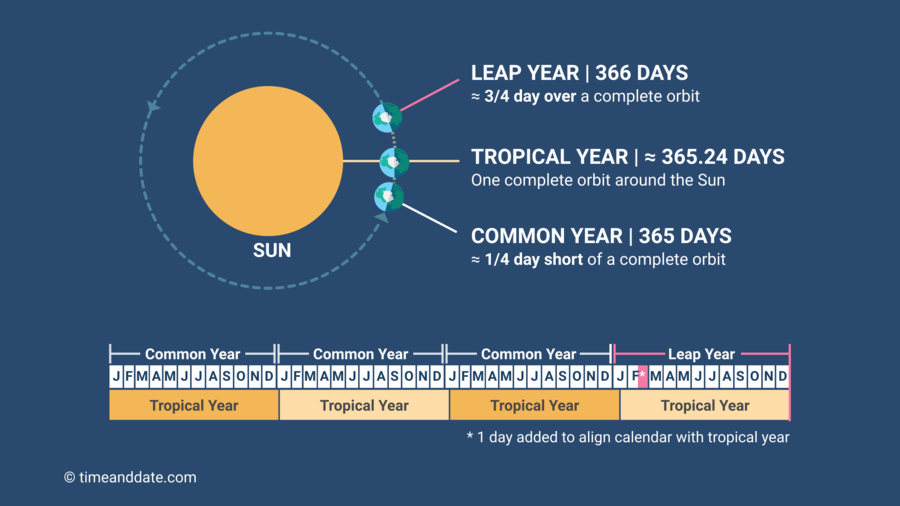
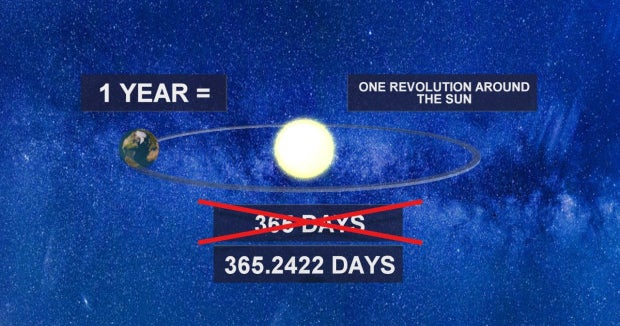
The Earth’s orbit around the Sun is not exactly 365 days long. It actually takes about 365.242 days for the Earth to complete one orbit. This means that if we used a calendar with only 365 days, we would gradually lose time with respect to the Sun.

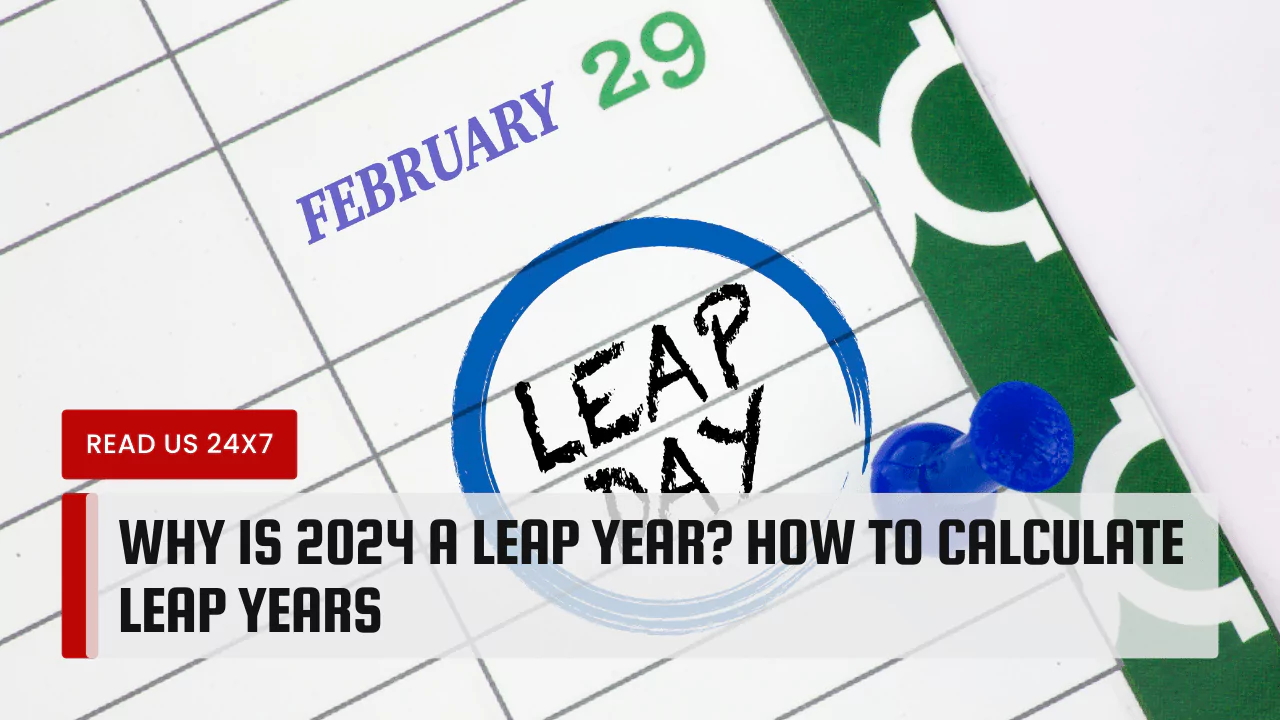
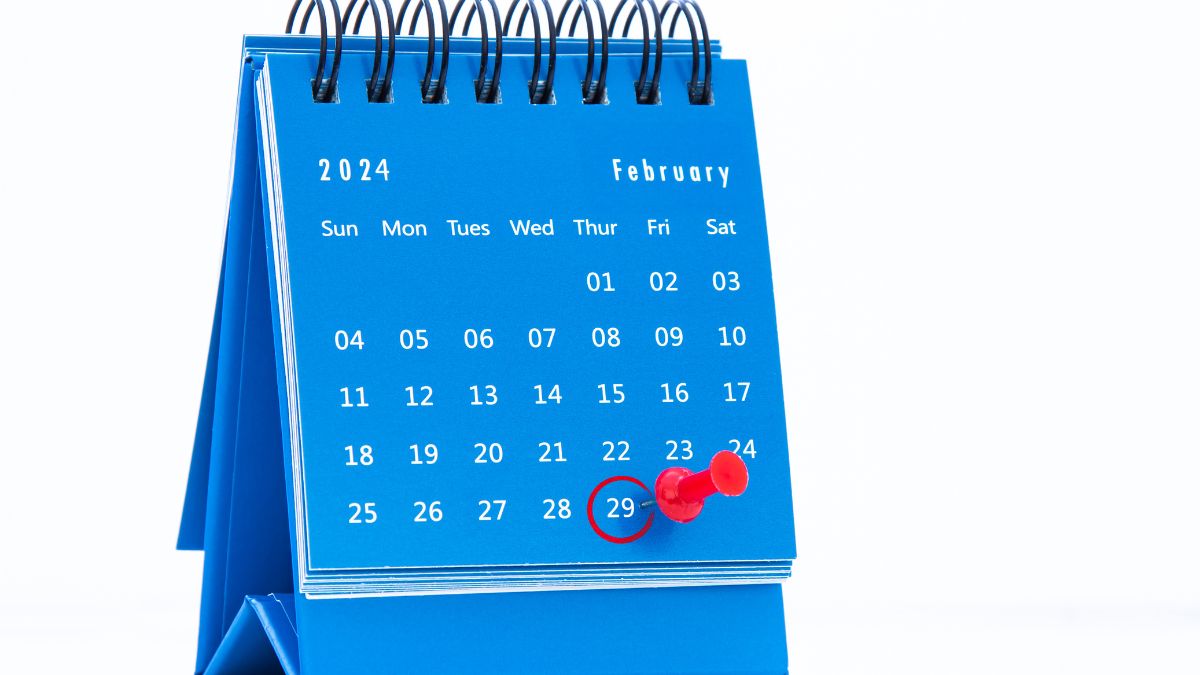
Leap years are added to the calendar to make up for this difference. By adding an extra day to February every four years, we keep the calendar in sync with the Earth’s orbit.

The concept of leap years has been around for centuries. The first known leap year was introduced by Julius Caesar in 46 BC. Caesar’s calendar, known as the Julian calendar, added an extra day to February every four years.

The Julian calendar was used for over 1,500 years, but it was not entirely accurate. The Earth’s orbit is not exactly 365.242 days long, but rather 365.2422 days long. This meant that the Julian calendar was gaining about 11 minutes per year.
In 1582, Pope Gregory XIII introduced a new calendar, known as the Gregorian calendar, which corrected the errors of the Julian calendar. The Gregorian calendar is still used today, and it is the most accurate calendar that has ever been devised.
2025 is a leap year because it is divisible by 4 but not by 100. Leap years are necessary to keep the calendar in sync with the Earth’s orbit around the Sun. The concept of leap years has been around for centuries, and the Gregorian calendar, which is the most accurate calendar that has ever been devised, still uses leap years today.


Thus, we hope this article has provided valuable insights into Is 2025 a Leap Year and Why?. We appreciate your attention to our article. See you in our next article!